
Soft, cracked or cuboidal timber
Loss of strength and characteristic cracking can indicate fungal decay and needs investigation of the moisture source.
Timber decay is usually linked to moisture, ventilation or a building defect. The priority is to identify the organism or deterioration, determine whether it is active, assess structural significance and correct the conditions that allowed it to develop.
These signs can have more than one cause. Their location, timing and relationship to the building help determine the next step.
Loss of strength and characteristic cracking can indicate fungal decay and needs investigation of the moisture source.
Hole size, shape, frass and timber species help identify whether a wood-boring insect may be present and active.
Subfloors, roof spaces and concealed timbers can remain damp when ventilation is restricted or water is entering.
Localised decay near masonry bearings can be structurally important even when the visible room looks dry.
A proposal is more useful when it explains the likely cause, the evidence, the affected construction and why a particular repair is being considered.
Repair defects and improve ventilation so timber can return toward a safe equilibrium condition.
Not every historic flight hole or stained surface requires chemical treatment or wholesale replacement.
Where treatment is justified, the product must be authorised for the intended use and applied in accordance with its label.
Local reinforcement, resin repair or replacement depends on extent, location and structural design requirements.
Spraying exposed timber without resolving moisture is unlikely to provide a durable outcome. Old insect holes do not necessarily indicate current activity, and structural timber repairs should not be specified without understanding load paths and remaining section.
Site photographs showing how concealed timber damage is opened carefully, assessed and repaired before the room is reinstated.
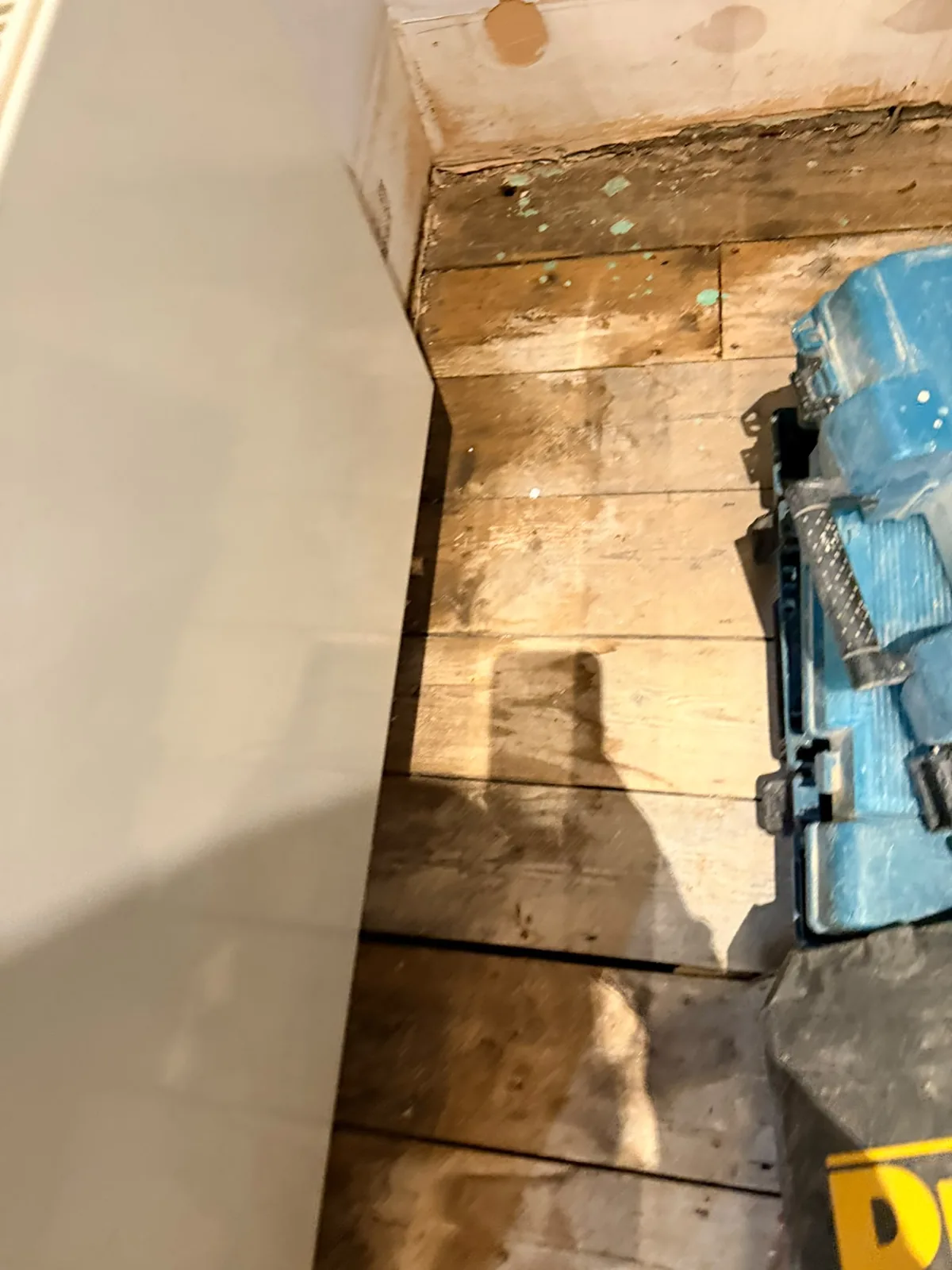 Inspect
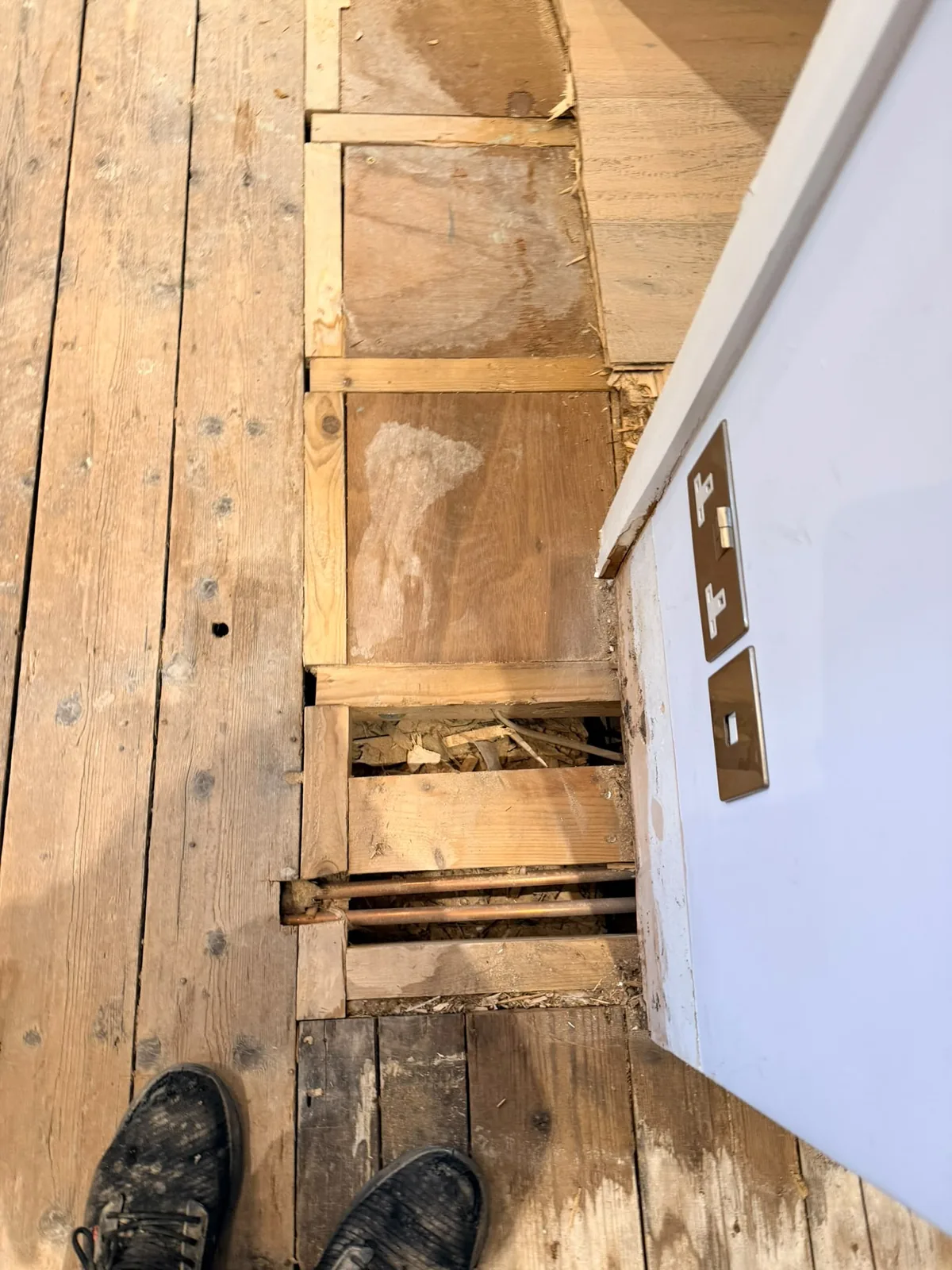 Repair
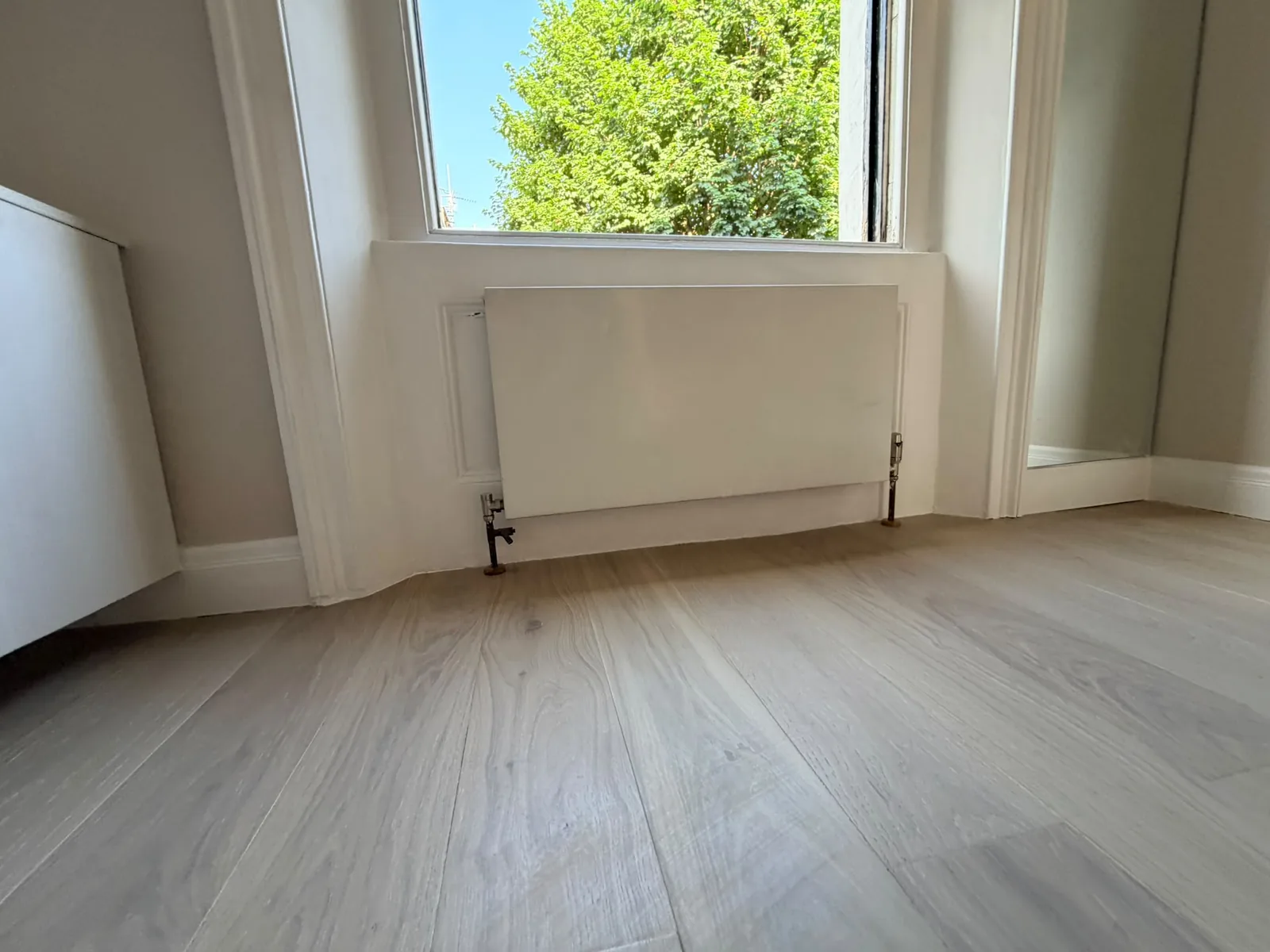 Reinstate
The exact scope changes by property, but the decision process should stay transparent.
Send the postcode, photographs and a short description of when the issue appears.
Review the symptoms, construction, likely sources and any previous repair.
Set out the recommended work, exclusions, preparation and finishing requirements.
Carry out the agreed repair and provide practical aftercare or maintenance guidance.
No. Old flight holes can remain for decades. Fresh frass, clean hole edges, seasonal activity and timber condition help inform the assessment.
Both need moisture, but the fungi and behaviour differ. Correct identification and investigation of the affected area are important before defining repairs.
Sometimes. The decision depends on remaining strength, location, access and structural significance.
Yes. Biocidal products must be authorised for their intended use in Great Britain and applied in line with the product label.
The durable measure is moisture control: fix leaks, improve ventilation, isolate timber from damp materials where appropriate and maintain the building.
Free quotations are available for clearly defined remedial works. A Professional Damp Survey & Written Report is £220 + VAT and includes findings, photographic evidence and written recommendations.
Include the postcode, affected room, visible signs and when the problem is most noticeable. We will help identify the most useful next step.
Prefer to call?
020 8970 7471
WhatsApp
07950 225214
Email
[email protected]